The Role of Religion in Sustaining Communities
Religion and the Good Society
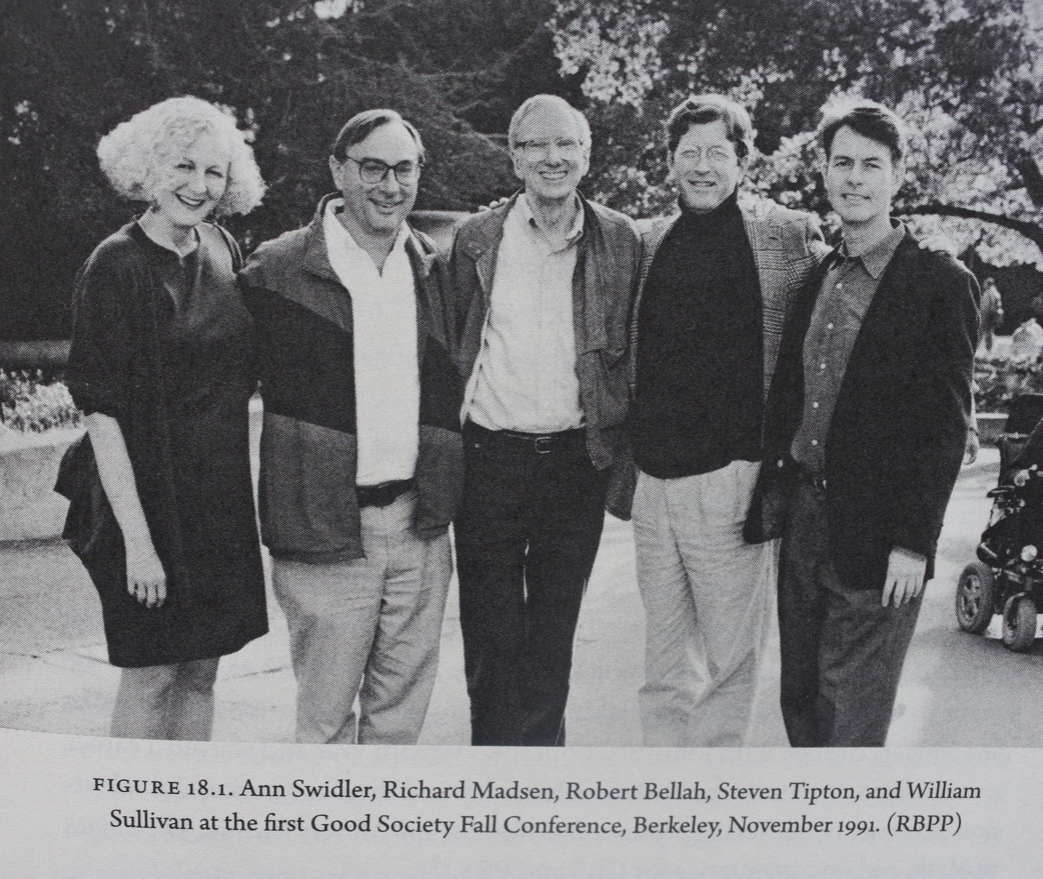
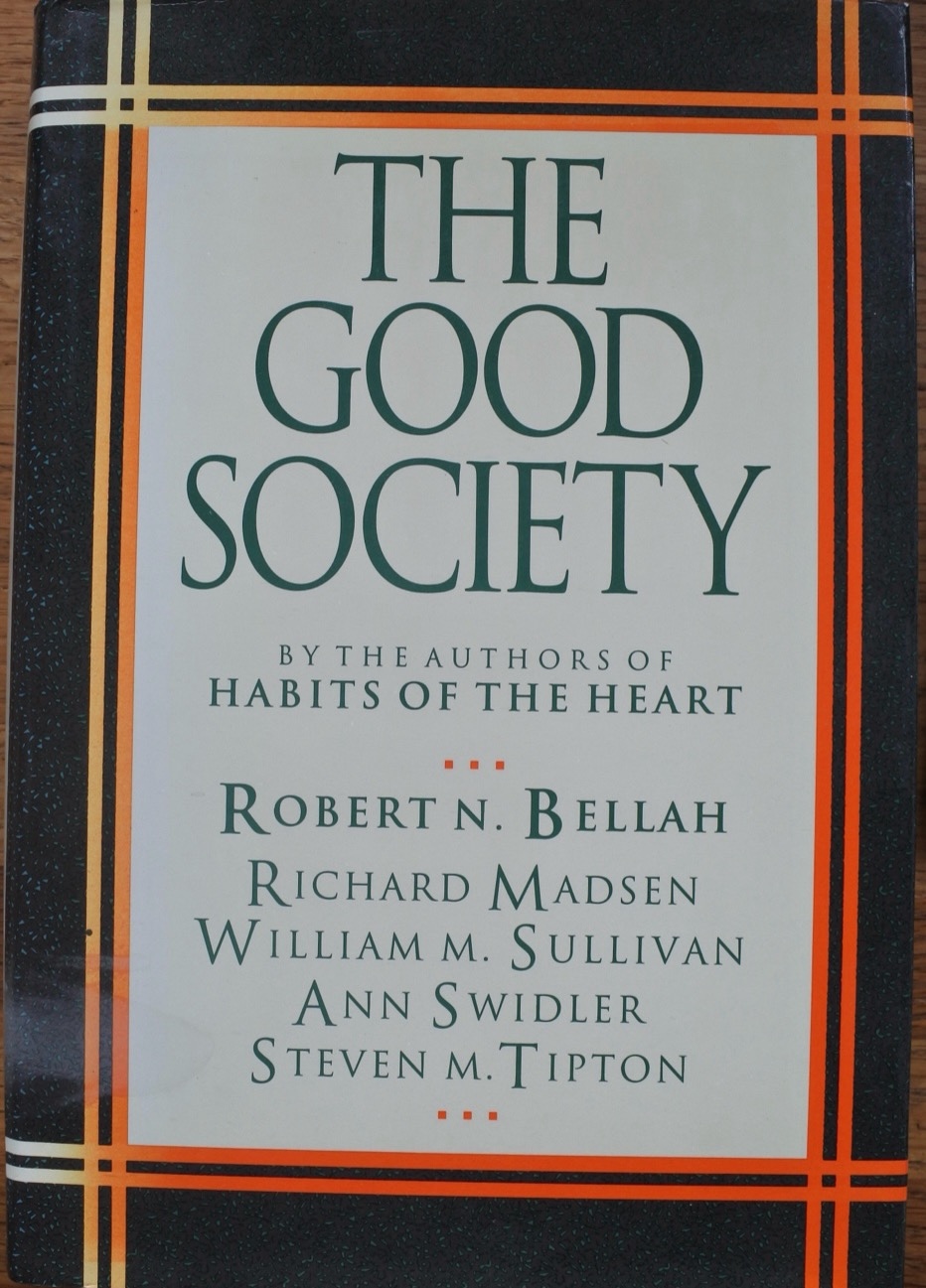
For Robert Bellah, religion was never merely a private consolation or matter of individual belief. Rather, he deepened Emile Durkheim’s insight, seeing religion as “the womb of civilization” that gives birth to every society as a moral community rooted in ritual. This conviction spanned his entire career, from his earliest essays to his final, magisterial synthesis. In Religion in Human Evolution (2011), Bellah traced the deepest roots of the human story, arguing that religion arises from capacities for ritual, shared attention, and symbolic play that first knit our Paleolithic ancestors into groups keeping together in time. He showed how mimetic, mythic, and theoretic forms of culture combine rather than replace one another so that “nothing is ever lost” and each communal inheritance carries forward into what comes after. In Beyond Belief (1970) he argued, under the banner of “symbolic realism,” that religious symbols are not illusions to be explained away but living visions of reality that relate human beings to matters of ultimate concern and the meaning of everyday life. They do this work collectively, as when a modern nation’s “civil religion” inspires, sustains, and reforms the shared myths, covenants, and rituals by which a people grasps its common purpose and judges itself in light of transcendent standards. In Habits of the Heart (1985) and The Good Society (1991), Bellah and his collaborators raise concerns about the fate of religion and moral life in modernity by diagnosing an America grown fluent in the “first language” of individual rights, interests, and feelings yet tongue-tied in the “second languages” of biblical and republican tradition through which citizens can conceive their shared responsibilities, duties, and virtues. Religious communities, argued Bellah, function as “communities of memory” to sustain and renew the constitutive past of living traditions by critically retelling their narratives and honoring their exemplars, and so cultivating the habits of the heart upon which democratic self-governance depends. In turn, Bellah saw religion as an indispensable wellspring of solidarity, a corrective to the atomizing tendencies of modernity, and a vital resource for any society that would aspire to be good.